
Understanding the Evolution of Game Online
The world of game online has dramatically transformed over the years, carving out a niche that blends entertainment, competition, and social interaction. As technology advances, so do the experiences available to players across the globe. This evolution isn't merely a timeline of technological improvements; rather, it reflects the changing dynamics of player engagement, community building, and the rise of sophisticated gaming ecosystems. Understanding this evolution is crucial for anyone looking to navigate the modern gaming landscape effectively.
The Rise of Online Gaming Communities
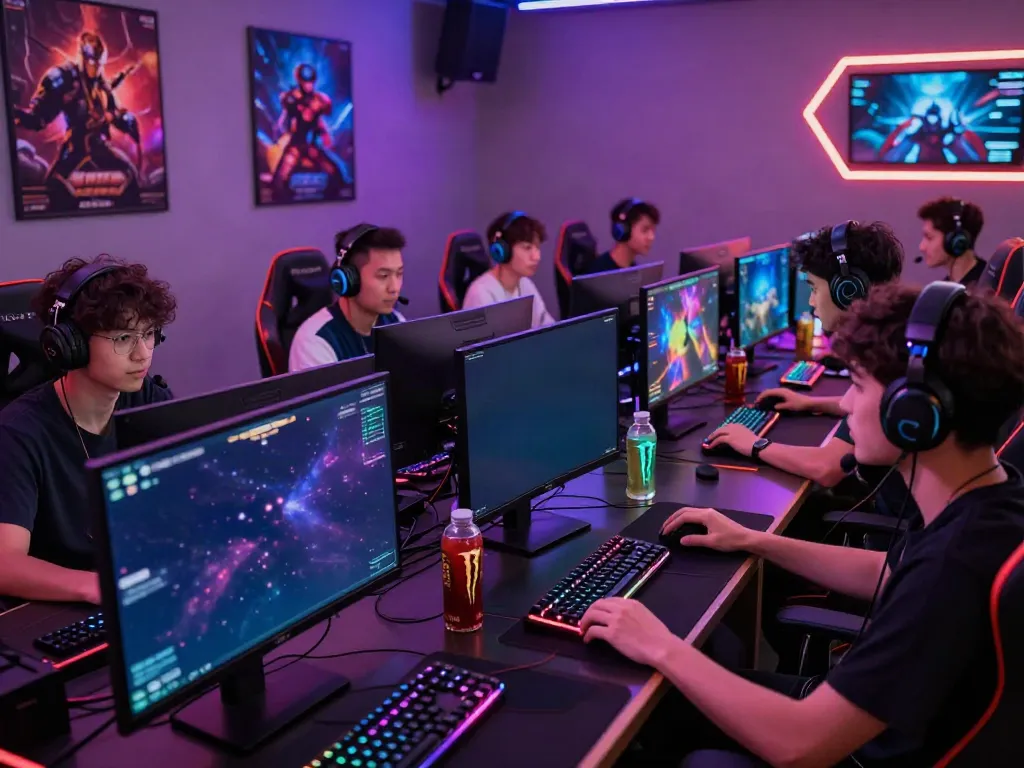
Online gaming communities have burgeoned in the past two decades, driven by advancements in internet connectivity and gaming technology. Players across the world now connect through platforms that allow not only competitive play but also social interaction. Community forums, social media groups, and streaming services like Twitch and YouTube Gaming have played significant roles in fostering relationships among gamers. Events such as eSports tournaments further solidify these communities, offering a sense of belonging and collective participation.
Historical Context of Game Online Development
The inception of online gaming can be traced back to the late 1970s and early 1980s, with simple text-based games evolving into the immersive experiences we see today. Early platforms such as MUD (Multi-User Dungeon) laid the groundwork for virtual worlds where people could interact. As personal computers and later gaming consoles became more powerful, the graphical capabilities and user interfaces improved, giving rise to more engaging gameplay.
Impact of Technology on Gameplay Experience
Modern technology has significantly enhanced gameplay experiences. High-speed internet allows for seamless multiplayer interactions, while advanced graphics engines deliver stunning visuals that immerse players in the game world. The advent of mobile gaming also plays a crucial role, as smartphones enable players to engage with their favorite titles anytime and anywhere, further broadening the accessibility of game online.
Competitive Dynamics in Game Online
In the realm of online gaming, competition is a driving force that captures player interest and retains engagement. Understanding the competitive dynamics within games is essential for anyone aiming to excel in this environment.
The Role of Matchmaking Systems
Matchmaking systems are pivotal in ensuring fair competition within online games. These algorithms pair players based on skill level, creating balanced matches that enhance the gaming experience. A well-designed matchmaking system minimizes frustration for players, allowing them to test their skills against opponents of comparable ability, thus fostering a sense of achievement and progression.
Strategies for Dominating in Ranked Play
To succeed in ranked gameplay, players should employ various strategies that enhance their chances of victory. Understanding game mechanics, map layouts, and character abilities is crucial. Player cooperation is also key; forming teams with established communication can lead to better coordination and strategic advantages. Regular practice, self-analysis after matches, and adapting to the evolving meta-game are essential components for those looking to climb the ranks.
Common Misconceptions About Game Online
Several misconceptions surround the world of online gaming. One prevalent myth is that playing competitively requires a significant time investment that isn’t viable for casual players. However, many games offer modes that cater to both dedicated and casual gamers, allowing for enjoyment at any level of commitment. Additionally, another myth is the belief that success is purely based on skill, while strategic thinking, teamwork, and game knowledge also play substantial roles.
Player Engagement and Retention
Player engagement is vital for the longevity of any online game. Developers continually seek innovative ways to retain players and enhance their gaming experience.
Importance of User Experience in Game Online
A positive user experience (UX) is fundamental in keeping players engaged. This encompasses everything from intuitive interfaces and responsive controls to engaging narratives and visually appealing graphics. Players are more likely to return to games that provide enjoyable experiences, making UX a priority for developers.
Gamification Techniques for Enhanced Interaction
Gamification techniques, such as rewards systems, achievements, and in-game events, significantly enhance player engagement. These elements encourage players to invest time in the game, explore its content, and strive to achieve specific goals. Moreover, leaderboards and social sharing opportunities create competitive aspects that can motivate players to improve their skills and performance.
Community Building and Its Effects on Longevity
Building a strong community can greatly enhance player retention. This can be achieved through forums, social media interactions, and community events that foster connections among players. When players feel a sense of belonging and can share their experiences, they are more likely to remain active in the game for longer periods.
Future Trends in Game Online by 2026
The future of online gaming looks brighter than ever, with exciting trends set to redefine the gaming landscape. By 2026, numerous innovations will likely emerge that reshape how players interact with games and each other.
Innovations in Game Mechanics and Design
Future game mechanics are expected to leverage artificial intelligence to create more adaptive and responsive environments. This includes dynamic difficulty adjustments that tailor challenges to individual player skills, enhancing both enjoyment and engagement. Additionally, procedural generation techniques may give rise to infinitely varied game worlds, increasing replayability.
The Potential of Virtual Reality in Game Online
Virtual reality (VR) technology is poised to revolutionize online gaming by offering immersive experiences that connect players in unprecedented ways. With advancements in VR hardware, more titles may incorporate VR capabilities, allowing players to physically interact with their gaming environments and each other, deepening the social aspect of gaming.
Emerging Markets and Demographics
As gaming becomes more accessible, emerging markets will play an essential role in shaping the future of online gaming. Countries with increasing internet access, such as those in Southeast Asia and Africa, show a growing interest in gaming. Understanding these new demographics will be key for developers aiming to capture and retain diverse audiences.
Maximizing Your Game Online Experience
For players looking to enhance their experience in the online gaming universe, a series of best practices can significantly improve both performance and enjoyment.
Best Practices for New and Experienced Players
New players should start by familiarizing themselves with basic game mechanics and controls. Engaging with tutorial content and practicing in less competitive environments can build confidence. For experienced players, staying updated on game patches, strategies, and community discussions can provide valuable insights and competitive advantages.
Resources for Game Online Improvement and Strategy
Numerous online resources exist to help players improve their skills. Websites, forums, and video channels dedicated to specific games often offer guides, tutorials, and strategy discussions. Engaging with these resources can provide new insights and enhance gameplay strategies.
Evaluating Success: Metrics for Game Online Engagement
Tracking performance metrics can provide valuable feedback for players looking to improve. Metrics such as win/loss ratios, average game durations, and personal rankings can help identify strengths and weaknesses. Utilizing these metrics may guide players in refining their strategies and approaches.
What is the best strategy for winning in game online?
The best strategy varies depending on the game in question, but fundamental approaches include understanding the game's mechanics, practicing consistently, and learning from others through community engagement. Adapting to the evolving gameplay environment is crucial to long-term success.
How can I improve my skills in competitive game online?
Improvement in competitive gaming comes from a combination of practice, analysis, and social learning. Engaging with experienced players, participating in online discussions, and consistently playing can accelerate skill development.
What are the latest trends in game online for 2026?
The latest trends indicate a move towards more immersive and adaptive gameplay experiences, with innovations in VR and AI shaping the landscape. Increased accessibility in emerging markets will also influence future gaming demographics.
What role does community play in game online success?
The community is essential for online game success, as it fosters social interaction and loyalty among players. Engaging communities can create lasting player retention and enhance the overall gaming experience.
Are there risks associated with game online environments?
While online gaming offers many benefits, risks include exposure to toxic behavior, financial pitfalls, and potential addiction. Awareness and responsible gaming practices are essential to mitigate these risks.